Calentado Colombiano: Colombia's Beloved Breakfast
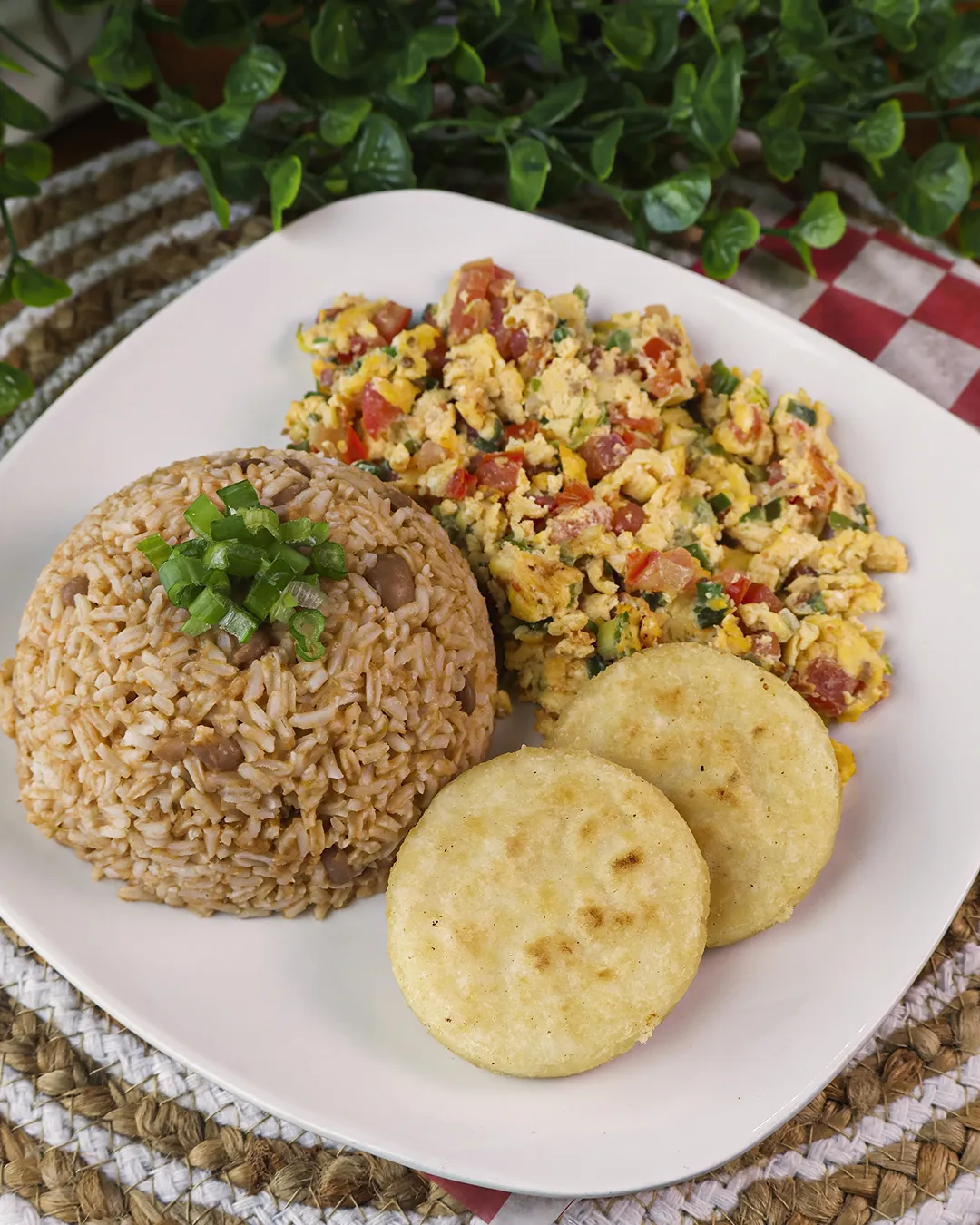
Calentado Colombiano is a beloved Andean breakfast tradition made from the previous night's leftover rice and beans, reheated and paired with egg, arepa, chorizo, chicharrón, or grilled meat, plus hot chocolate. We bring that same heritage to our Orlando menu, honoring Colombian kitchens one plate at a time.

Key Takeaways

  • Calentado Colombiano is a traditional Andean breakfast dish featuring reheated rice and beans from dinner.

  • This authentic Colombian comfort food combines leftover ingredients with eggs, arepas, chorizo, and hot chocolate.

  • We serve calentado with regional products including fried eggs, plantains, and traditional arepa at El Triunfo.

  • Calentado represents Hispanic-American cuisine traditions, popular across Colombia, Costa Rica, and Nicaragua for breakfast meals.

What Is Calentado Colombiano, Exactly?

Calentado names a traditional Colombian breakfast born in the Andean region of the country, where rice and beans from last night's dinner become tomorrow's first meal. We think of it as the dish that proves nothing good in a Colombian kitchen ever truly ends, it just gets reheated with love. Families across the mountains built this habit generations ago, and we carry that same instinct into every batch we prepare.

At its core, calentado belongs to a wider Hispanic American tradition of leftover cooking, a meal made from food that went unfinished the night before, then refrigerated, saved, and brought back to life the next morning. The name itself tells the story: it comes from the act of heating, or reheating, those saved scraps, including the beans left over from the previous night's dinner. That word, calentado, carries memory in it. It's less a recipe than a ritual.

What Makes Calentado Different From a Regular Breakfast?

Calentado turns yesterday's dinner into today's comfort, rather than starting from scratch each morning. The dish typically brings together:

  • Reheated rice and beans from the night before

  • A fried or scrambled egg

  • Arepa, chorizo, or grilled meat on the side

  • Hot chocolate to finish the plate

Where Can Travelers Find Calentado in Colombia?
Calentado appears on the menu of nearly every Colombian restaurant around the world, which tells us how central this dish is to the country's identity. For anyone exploring Colombia, ordering calentado is a direct window into the rhythm of a Colombian morning. Through El Triunfo Bakery, that same spirit of resourceful, heartfelt cooking travels with us, shipping from our Orlando, Florida home to tables across Colombia, carrying tradition wherever family gathers.

What Is Calentado Colombiano, Exactly

Where Did This Breakfast Tradition Begin?

Colombia's Andean region gave rise to this cherished morning ritual generations ago. Families there commonly ate beans and rice for dinner every single night, a nightly staple in mountain households. Leftovers never went to waste. By morning, those same beans and rice were reheated and reborn as calentao, a dish built entirely on resourcefulness and flavor.

Mule drivers working Colombia's coffee-growing region leaned on this hearty plate before long days on the trail. Carrying heavy loads across steep terrain demanded real fuel, and calentao delivered exactly that. In Antioquia, locals still call the dish fríjoles trasnochaos, a nod to beans that spent the night waiting to be warmed and served again.

Which Regions of Colombia Claim Calentao as Their Own?

Calentao holds a proud place across the entire country, though three regions claim it most fiercely:

  • Paisa Region, where arrieros helped cement the dish's reputation as working fuel

  • Colombian Caribbean, where regional touches bring their own coastal character

  • Bogotá, where the capital keeps the tradition alive on breakfast tables daily

Each region adds its own personality. The heart of the dish, reheated beans and rice, stays constant wherever it appears.

We find that history irresistible. At El Triunfo Bakery, we honor the same instinct that turned humble leftovers into a cultural cornerstone: nothing made with love should ever go to waste. Our kitchen carries that spirit forward, bringing the same warmth and heritage to families across Colombia who crave a true taste of home.

What Goes Into A Traditional Plate?

A true calentado starts with yesterday's rice and beans, reheated and piled high with egg, arepa, chorizo, chicharrón, or grilled meat, finished off with a cup of hot chocolate. Colombian homes across the Andean region built this dish out of necessity and turned it into a morning ritual nobody wants to skip.

Leftovers never go to waste in a Colombian kitchen. Rice, egg, pasta, beans, and potatoes from the night before find new life alongside arepa, chorizo, and ground beef, all warmed together until the flavors deepen. Some regions finish the plate with hogao, a tomato and onion sauce that ties every bite together. Others call the dish fríjoles trasnochaos, but the heart of it stays the same: nothing wasted, everything shared.

We carry that same spirit into our own kitchen with the Calentado Colombiano, served on our menu as a Colombian Mixed Plate. Every plate we send out honors the households that built this tradition one reheated breakfast at a time.

What makes calentado different from other Colombian breakfasts?

Calentado stands apart because it transforms the previous night's dinner into a brand-new meal rather than starting from scratch. The practice runs deep in the Paisa region, the Colombian Caribbean, and Bogotá. Coffee country arrieros relied on it to fuel long days of work. That resourcefulness is exactly what we try to honor on our own plates.

What typically comes with a calentado plate?

A classic calentado includes rice, beans, egg, and arepa as the foundation. Chorizo, chicharrón, or grilled meat often round out the plate, with hogao sauce added in many regions. Hot chocolate traditionally finishes the meal. We build our own version with that same combination, so every table feels like home no matter how far from Colombia we are.

How Do Colombians Traditionally Enjoy Calentado?

Breakfast tables across Colombia welcome calentado with a steaming cup of agua de panela or hot chocolate close at hand. Families treat yesterday's rice and beans as the start of something new, not leftovers waiting to be forgotten. A fried egg often rests on top, and a side of arepa rounds out the plate. Depending on the region, cooks spoon warm hogao, a simmered tomato and onion topping, over the whole dish for extra richness.

What makes this tradition special is its flexibility. There are no strict rules to follow, only a result that always feels familiar and comforting. That spirit of turning what is already cooked into something new, something shared, is exactly what we try to carry into every dish we prepare for our Colombian guests and the families who miss that same table back home.

What Is Usually Served With Calentado?

Colombians usually round out calentado with corn arepas, coffee, fresh juice, or a mug of hot chocolate. Fried egg appears often, alongside regional touches like hogao or agua de panela, depending on where the cook grew up.

Is Calentado the Same Across All of Colombia?

Not quite. The core idea, reheating rice and beans into a hearty breakfast, stays consistent. The sides shift by region and household. Some families lean on hogao, others on fried egg and arepa, and some bring all three to the table together.

We built our own menu around that same honesty. Every plate we serve carries the same warmth. Whether it travels to your table in Colombia or reaches us here, El Triunfo Bakery keeps that tradition alive.

Why Does Every Region Add Its Own Twist?

Colombian cooks build calentado from whatever the night before left behind. That habit of reinvention shapes every regional version differently. No single family, town, or kitchen makes it the same way twice, and that variety is the whole point.

This dish never carries strict rules, only memory. Calentado is one of the preparations that cannot be missing from tables in Colombian homes, a staple passed down rather than written down. Each ingredient tells a story, and each combination reflects the culinary richness of Colombia itself. Rice, beans, eggs, arepa, chorizo, or leftover meat come together. Once combined, they create something new: an experience full of flavor and meaning that no two cooks assemble identically.

Why do Colombian regions prepare calentado differently?

Regional pantries decide the recipe. Some kitchens lean on beans and rice from the Andean table, others fold in plantain, chorizo, or extra egg depending on what the previous dinner left in the pot. The dish is sometimes spelled calenta'o, a folk variation of the standard word calentado, and that spelling shift mirrors how loosely the recipe travels from one stove to the next.

How do we bring that spirit to our table?

We study those regional threads closely, because honoring Colombia's variety means never flattening it into one fixed formula. Our kitchen treats each component the way Colombian households do:

  • Rice and beans, simmered with patience, never rushed

  • Egg, prepared to each family's preference

  • Arepa, chorizo, or grilled meat, layered in for heartiness

El Triunfo Bakery carries that same respect for regional nuance into every plate we serve, inviting Orlando to taste a tradition built on love, leftovers, and a little bit of home.

How Does El Triunfo Bring Calentado To Orlando?

Calentado Colombiano arrives on our menu as a true Colombian Mixed Plate, built from a breakfast tradition that began in kitchens across Colombia's Andean region. We carry that dish across the distance from Colombia to our tables in Orlando, Florida, staying faithful to the flavors that define it. This recipe is one piece of a bigger promise we made when we opened: to bring the soul of Colombian and Dominican kitchens to the heart of Orlando.

Every plate we serve reflects that founding dream. Niurca grew up surrounded by the aromas that shape dishes like this one. That memory still guides how we cook today. Our recipes stay rooted in tradition, shaped by generations of love and craft, served with the same pride our grandmothers poured into every meal. Calentado fits naturally into that lineage. It was always a dish built on care, patience, and using what the family table had to offer.

What Makes Calentado Colombiano Different From A Regular Breakfast?

Calentado was never designed as a fancy plate. It began as a practical, resourceful meal, turning yesterday's leftovers into something warm and new again. That spirit of transformation is exactly what we try to honor at El Triunfo Bakery & Cafe, plate after plate.

Where Can Orlando Guests Find Authentic Calentado?

Guests searching for the real version of this dish do not need to travel to Colombia. Our location in Orlando, FL, serves Calentado Colombiano daily as part of our full menu, letting Central Florida families taste a breakfast tradition without leaving home.

Here is what defines our version of the dish:

  • Heritage-driven preparation, built on techniques passed through family kitchens

  • Hearty, familiar ingredients presented as a complete mixed plate

  • Homestyle execution, never rushed, never shortcut

We invite you to pull up a chair and taste it yourself.

What Makes El Triunfo's Calentado Worth Trying?

Calentado earns its place on our table because it carries the honest, unpretentious spirit of a Colombian home kitchen. Rice, beans, and eggs, reheated and reunited, become something greater than leftovers. We treat that tradition as sacred, not as an afterthought.

Our kitchen team shows up before sunrise every single day. They bake fresh and cook with care long before the first neighbor walks through our door. That early morning ritual is who we are and it will never change. Eight people work shoulder to shoulder in our kitchen and café, and each one understands that a plate of calentado deserves the same attention as any signature dish.

Why is calentado sometimes called Fríjoles Trasnochaos?

Some Colombian households call this dish Fríjoles Trasnochaos, a name that points straight back to its roots as a home-cooked, next-day meal. The beans and rice simply spend the night, then return to the table transformed. When a fried egg crowns the dish, it earns the nickname Calentao' "A Caballo," riding on top like a finishing touch.

What makes El Triunfo's version feel homemade?

Nothing about our calentado feels rushed or generic. We build it with the same patience and pride our grandmothers poured into every meal they served, letting flavors settle and ingredients speak for themselves. That inherited care shows in the smell of the hogao, the crisp edge of a fried egg, and the warmth of a shared breakfast table.

Consider what each spoonful represents:

  • Rice and beans simmered the night before, never wasted

  • A fried egg, sunny and golden, crowning the dish

  • Generations of Colombian kitchen wisdom, honored plate by plate

FAQ

What is Calentado Colombiano?

Calentado Colombiano is a traditional Andean breakfast made from the previous night's leftover rice and beans, reheated and served with egg, arepa, chorizo, chicharrón, or grilled meat, plus hot chocolate.

Where did calentado originate?

Calentado originated in Colombia's Andean region, where families ate beans and rice nightly and reheated the leftovers each morning. Mule drivers in the coffee-growing region relied on it for fuel before long trail days.

Where does El Triunfo serve this dish?

El Triunfo Bakery & Cafe, located in Orlando, FL, serves calentado with regional products including fried eggs, plantains, and traditional arepa, bringing Colombian breakfast heritage to its Orlando menu.

Conclusion

In closing, calentado colombiano represents far more than a humble breakfast dish, it embodies the resourcefulness and warmth that define Latin family traditions. At El Triunfo, we honor this beloved classic by preparing it with the same care and authenticity our founders brought from their homeland, transforming yesterday's rice and beans into a comforting celebration of heritage. When you taste our calentado, you're not simply enjoying a meal; you're sharing in generations of culinary wisdom and the spirit of community that makes our bakery a gathering place for those seeking genuine connection through food.